Butrint National Archaeological Park
- December 27, 2025
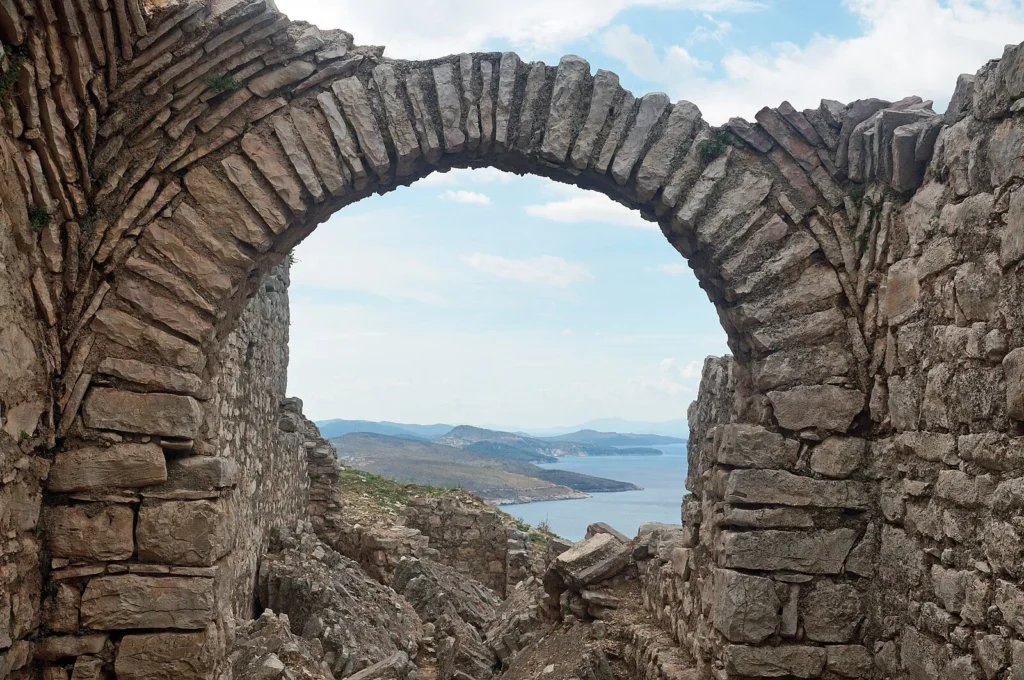
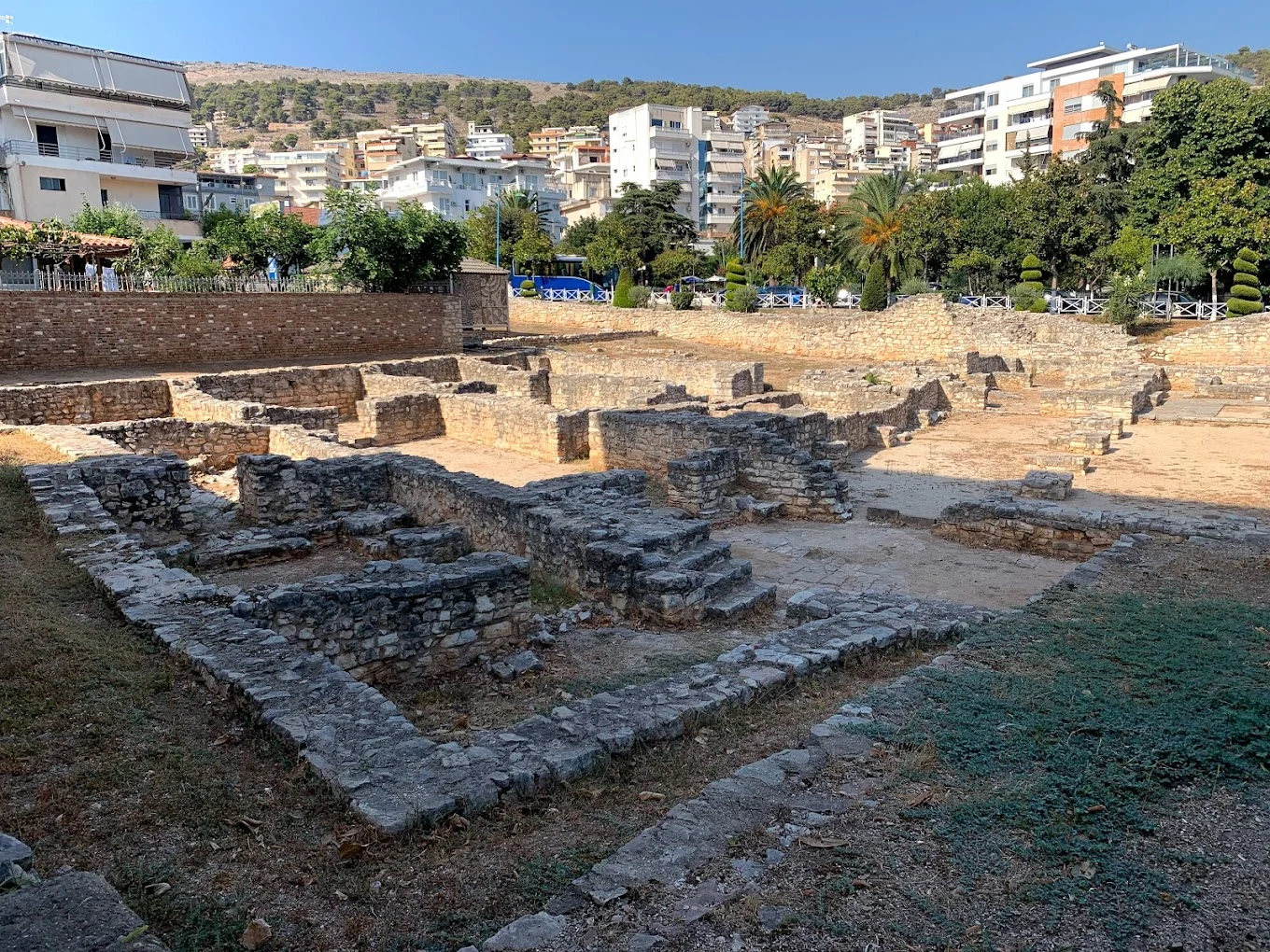
The Monastery of the Forty Saint Martyrs is a ruined Eastern Orthodox monastery overlooking the coastal city of Sarandë in southern Albania. Founded during the 6th century AD, likely under Byzantine Emperor Justinian’s reign (527–565 AD), it became one of the most important pilgrimage destinations in the Ionian Sea region for over a millennium. The monastery’s significance was so great that its Greek name, Agioi Saranta (meaning “Forty Saints”), was eventually adopted by the nearby ancient city of Onchesmos, which evolved into modern-day Sarandë.
The monastery complex was extensive, featuring a large basilica-style church, pilgrim hostels, underground chambers, holy water springs, and crypts. Most notably, the underground areas contained forty small chapels, each dedicated to one of the Forty Martyrs of Sebaste, early Christian martyrs who gave the monastery its name. The basilica itself was the largest of its type in the region, with a rectangular design featuring six apsidal chambers, painted decorations from late antiquity, and architectural elements comparable to structures in Constantinople.
The monastery flourished as a major pilgrimage site until the 14th-15th centuries when it suffered repeated destruction during the Ottoman conquest. Though it experienced renewed interest in the 18th-19th centuries and continued hosting annual religious celebrations on March 9th into the early 20th century, the site faced catastrophic decline during World War II, being destroyed by either German artillery or Allied aircraft in 1944. The final blow came in the 1950s during Albania’s communist era when the remaining structure was demolished as part of the government’s atheistic campaign, and the site was converted into a military base that remained until 1997.
Today, only portions of the basilica’s side walls survive. Despite its ruined state, the site retains religious importance for the local Greek Orthodox community, and pilgrims continue to visit and leave flowers there, honoring its sacred history.
There are no reviews yet.